| Very cold temperatures, like very hot ones, can be hazardous to your health. Proper dress and some sensible practices can prevent a lot of the problems associated with cold weather. In addition, knowing the symptoms of danger and how to treat them can keep problems that do occur from becoming disasters.
GENERAL HAZARDS
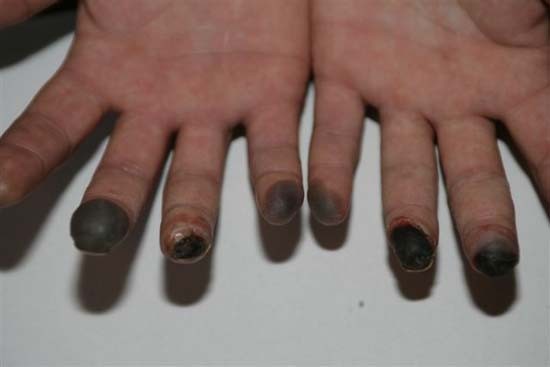
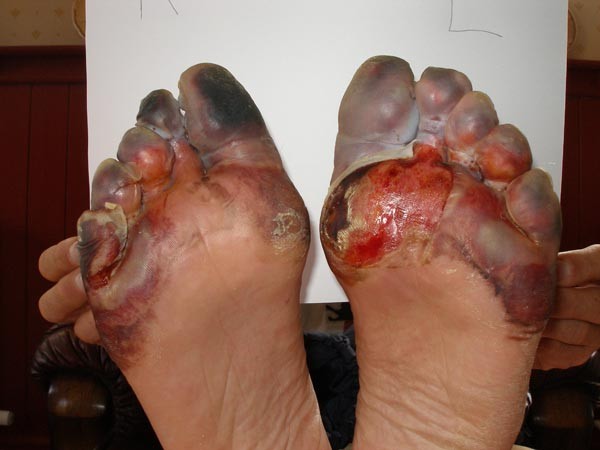
The most common hazard in the cold is frostbite. Your body doesn't get enough heat and the body tissues freeze. Body parts most often affected by frostbite are the nose, ears, cheeks, fingers, and toes.
In very bad cases, frostbite can cause permanent tissue damage and loss of movement in the affected body parts. In the worst cases, you could become unconscious and stop breathing. You could even die of heart failure.
Another common cold hazard is hypothermia. That's what it's called when you are exposed to cold so long that your body temperature gets dangerously low. Just like frostbite, the worst case results are unconsciousness and death.
With both cold hazards, you're more at risk if you're older, overweight, or have allergies or poor circulation. Other factors that raise the risk are smoking, drinking, and taking medications such as sedatives.
IDENTIFYING HAZARDS
It is very important to know the symptoms of frostbite and hypothermia so that you can do something before it is too late.
Frostbite can occur from being in a cold area or from touching an object whose temperature is below freezing. In many cases, people don't have any idea that it's happening. That's why you have to be familiar with the symptoms.
Frostbite victims usually start by feeling uncomfortably cold, then numb. Sometimes they also get a tingling or aching feeling or a brief pain. The recommended practice is whenever you feel numbness, take action!
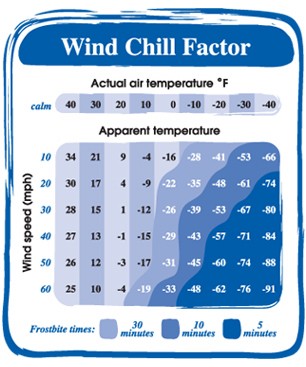
Hypothermia can also take you by surprise because you can get it even when the temperature is above freezing. Windy conditions, physical exhaustion, and wet clothing can all make you prone to hypothermia.
With hypothermia, you first feel cold, then pain in the extremities. You'll shiver, which is how the body tries to raise the temperature.
Other symptoms include numbness, stiffness (especially in the neck, arms, and legs), poor coordination, drowsiness, slow or irregular breathing and heart rate, slurred speech, cool skin, and puffiness in the face.
As you can see, many of these symptoms are not unusual and could mean different things. But if you're exposed to very cold conditions, take them seriously and take steps to relieve them.
PROTECTION AGAINST HAZARDS
The best way to deal with cold problems is to prevent them in the first place. The most sensible approach is to limit exposure to cold, especially if it's windy or damp.
- If you know you're going to be in cold conditions, don't bathe, smoke, or drink alcohol just before going out.
- Dress for conditions in layers of loose, dry clothes. The most effective mix is cotton or wool underneath, with something waterproof on top.
- Get dried or changed immediately if your clothes do get wet.
- Be sure to cover hands, feet, face, and head. A hat is critical because you can lose up to 40 percent of your body heat if your head isn't covered.
- Keep moving when you're in the cold.
- Take regular breaks in warm area. Go where it's warm any time you start to feel very cold or numb. Drink something warm, as long as it doesn't contain alcohol or caffeine.
SAFETY PRECAUTIONS
As you know, prevention doesn't always work. So it's important to know what to do if you or someone you're with shows symptoms of cold problems.
The first thing to do is to get where it's warm. Get out of any frozen, wet, or tight clothing and into warm clothes or blankets. Drink something warm, decaffeinated, and non-alcoholic.
For hypothermia, call 911 for medical help and keep the person covered with blankets or something similar. Don't use hot baths, electric blankets, or hot water bottles. Give artificial respiration if necessary and try to keep the person awake and dry.
For frostbite, first be aware of the don'ts:
- Don't rub the body part, or apply a heat lamp or hot water bottle. Instead, warm the frozen body part quickly with sheets and blankets or warm (not hot) water. Once the body part is warm, exercise it-with one exception: Don't walk on frostbitten feet.
- Don't go near a hot stove.
- Don't break any blisters.
- Don't drink caffeine.
It's dangerous to underestimate the health hazards you're exposed to in the cold. But if you take some precautions before you're exposed and know what symptoms can spell trouble, you substantially reduce your risk.
If in doubt, Dial 911 |