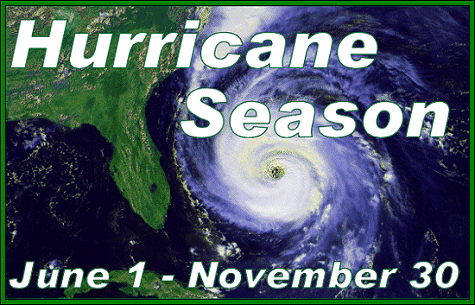
| The 2009 Atlantic hurricane season will officially start on June 1 and will run through November 30.
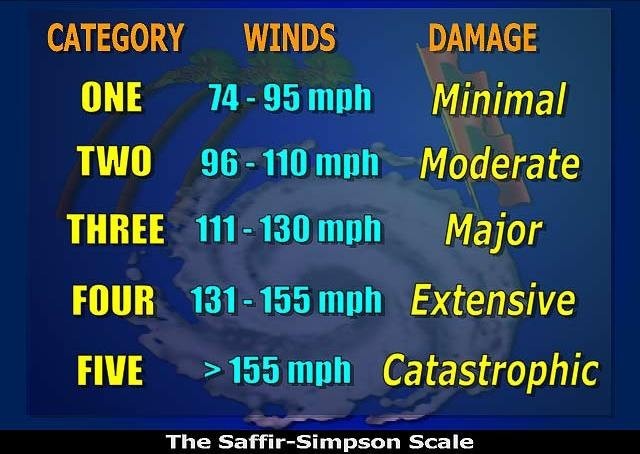
The National Oceanic and Atmospheric Association (NOAA) announced its 2009 outlook for a near-normal hurricane season. NOAA predicts 9-14 named storms, of which four to seven could become hurricanes, including one to three major hurricanes (Category 3, 4 or 5) with sustained winds of 111 mph or greater.
Some things to consider as we push through the 2009 season:
1. Read and understand the Saffir-Simpson Hurricane Scale, it is very specific as to the kinds of damage commonly witnessed in hurricane related events.
2. Remember, just because a hurricane may be making landfall as something considered less than a major hurricane (Cat 1-3) by no means mean you are in the clear. In 1999, Hurricane Floyd came
ashore as a Cat 2 dropping tons of rain and causing massive flooding all along the east coast, killing 56 people.
3. Pay close attention to developing systems, take them seriously 1 week out. At the very least, pack necessary survival items in the car to include all your important documents; i.e., birth and marriage certificates and insurance stuff. Do not wait until the last minute! A little attention and preparedness will go a long way.
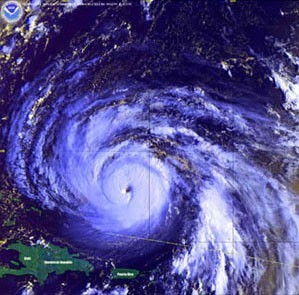
4. The reality of hurricane intensity is often unknown until landfall. Keep an eye on the storms central pressure, and look at the storm via visible or water vapor imagery. This provides the best means for the arm-chair forecaster for judging hurricane characteristics without any real proof.
5. Most importantly, prepare a Family Disaster Plan, which includes:
- Discuss the type of hazards that could affect your family. Know your home's vulnerability to storm surge, flooding and wind.
- Locate a safe room or the safest areas in your home for each hurricane hazard. In certain circumstances the safest areas may not be your home, but within your community.
- Determine escape routes from your home and places to meet.
- Have an out-of-state friend as a family contact, so all your family members have a single point of contact.
- Make a plan now for what to do with your pets if you need to evacuate.
- Post emergency telephone numbers by your phones and make sure your children know how and when to call 911.
- Check your insurance coverage - flood damage is not usually covered by homeowners insurance.
- Stock non-perishable emergency supplies and a Disaster Supply Kit, which should include:
- Water - at least 1 gallon daily per person for 3 to 7 days
- Food - at least enough for 3 to 7 days
- Non-perishable packaged or canned food / juices
- Non-electric can opener
- Cooking tools / fuel / paper plates / plastic utensils
- Blankets / Pillows, etc.
- Clothing - seasonal / rain gear/ sturdy shoes
- First Aid Kit / Medicines / Prescription Drugs
- Toiletries / Hygiene items / Moisture wipes
- Flashlight / Batteries
- Radio - Battery operated and NOAA weather radio
- Cash - Banks and ATMs may not be open or available for extended periods.
- Keys
- Toys, Books and Games
- Important documents - in a waterproof container (e.g., insurance, medical records, bank account numbers, Social Security card, etc.)
- Tools - keep a set with you during the storm
- Vehicle fuel tanks filled
- Pet care items (ID / immunization records / medications, food & water, carrier or cage, muzzle & leash)
- Remember to replace radio batteries every 6 months, as you do with your smoke detectors.
- Click here http://www.coderedweb.com/codereddataentry/index.cfm?GroupID=1068 to be notified by your local emergency response team in the event of emergency situations or critical community alerts.
ADDITIONAL SAFETY INFORMATION
WATCH vs. WARNING - KNOW THE DIFFERENCE
- A HURRICANE WATCH issued for your part of the coast indicates the possibility that you could experience hurricane conditions within 36 hours. This watch should trigger your family's disaster plan, and protective measures should be initiated, especially those actions that require extra time such as securing a boat, leaving a barrier island, etc.
- A HURRICANE WARNING issued for your part of the coast indicates that sustained winds of at least 74 mph are expected within 24 hours or less. Once this warning has been issued, your family should be in the process of completing protective actions and deciding the safest location to be during the storm.
2009 Atlantic Storm Names:
Ana
Bill
Claudette
Danny
Erika
Fred
Grace
Henri
Ida
Joaquin
Kate
Larry
Mindy
Nicholas
Odette
Peter
Rose
Sam
Teresa
Victor
Wanda |